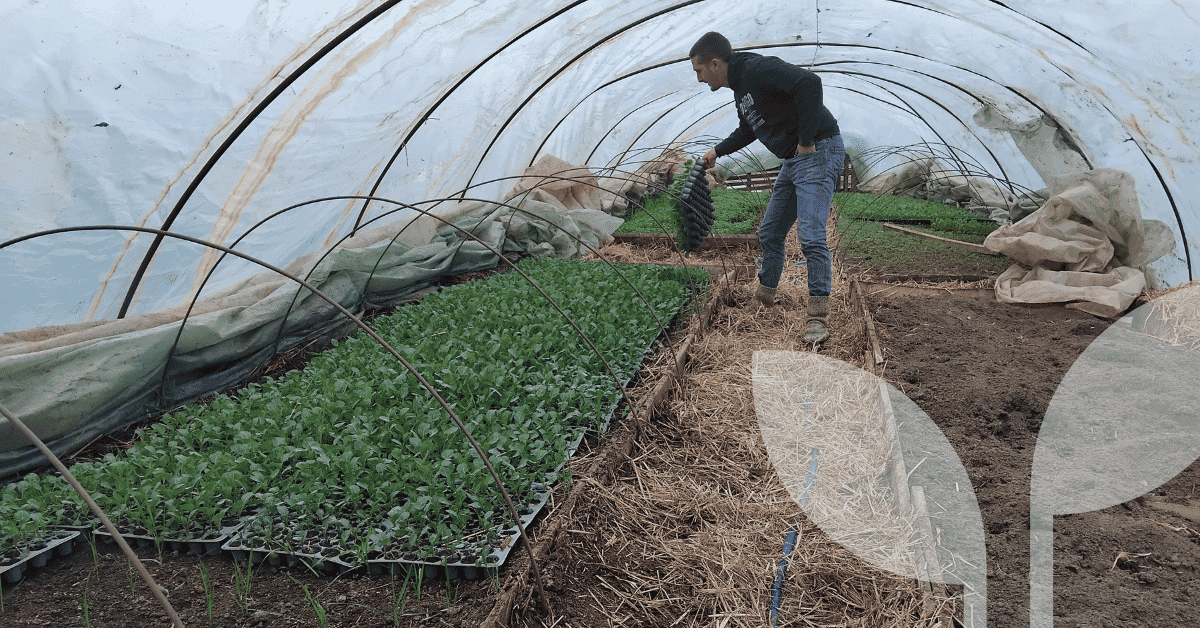
Hort2thefuture consortium partners met with growers in Serbia and North Macedonia to test new growing media mixes developed by Pindstrup. During the three-day visit, hosted by the European Training Academy (EUTA) from 10 to 12 February 2026, partners travelled from Belgrade in Serbia to the Greek border in North Macedonia, visiting growers who are testing the newly developed mixes.
New growing media mixes
Pindstrup has developed six growing media mixes specifically for seedlings, with peat content ranging from zero to 75 percent. Peat has been partially or fully replaced with wood fibre, bark, or coir. Four mixes are intended for conventional growing, while two mixes contain no nitrogen, phosphorus, or potassium (NPK) to meet organic production standards. These media will be tested throughout 2026.
Coordination with growers and distribution of the growing media is led by EUTA, which will also prepare and distribute specification sheets and testing guidelines.
From traditional and organic growers to schools
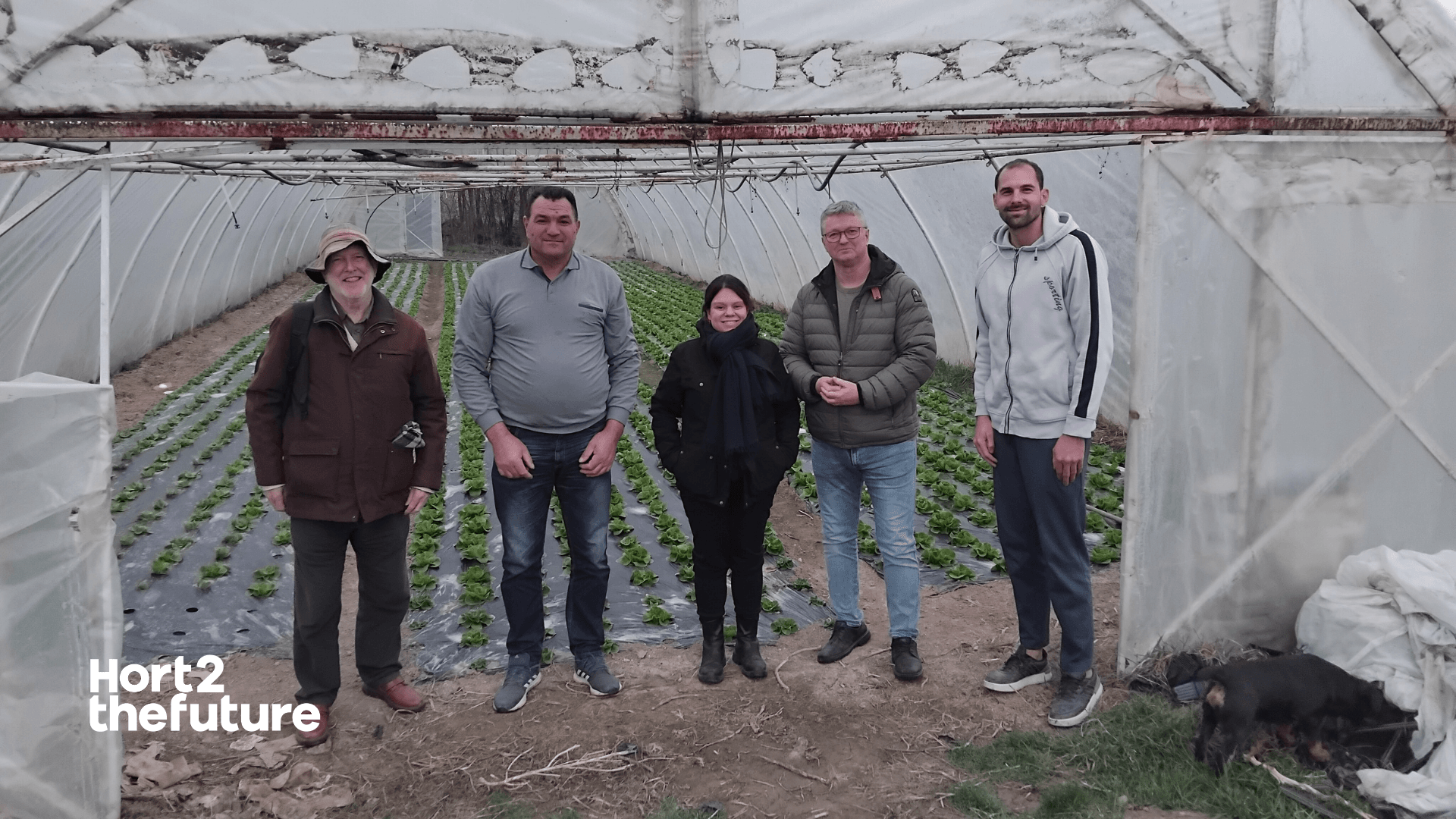
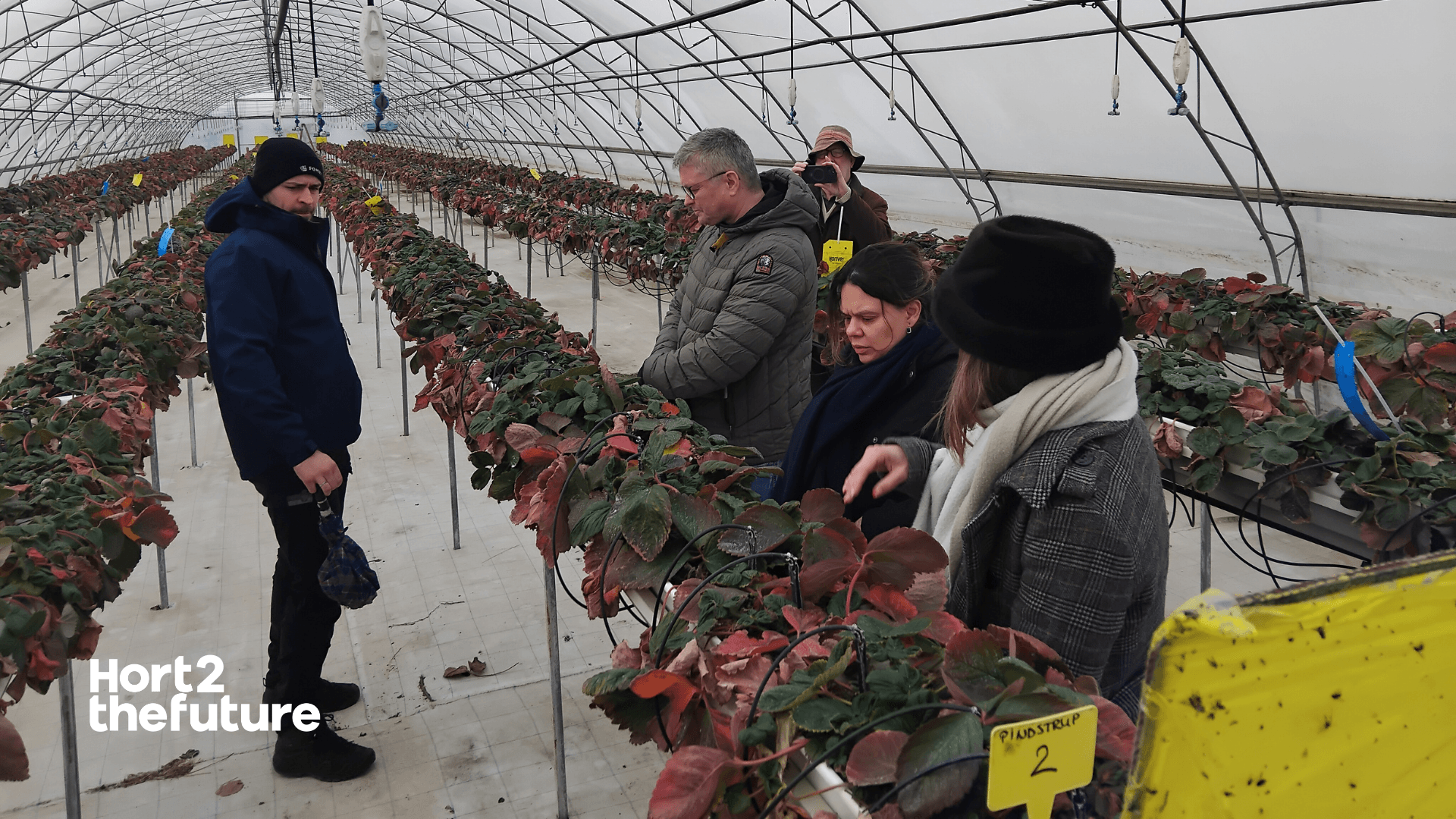
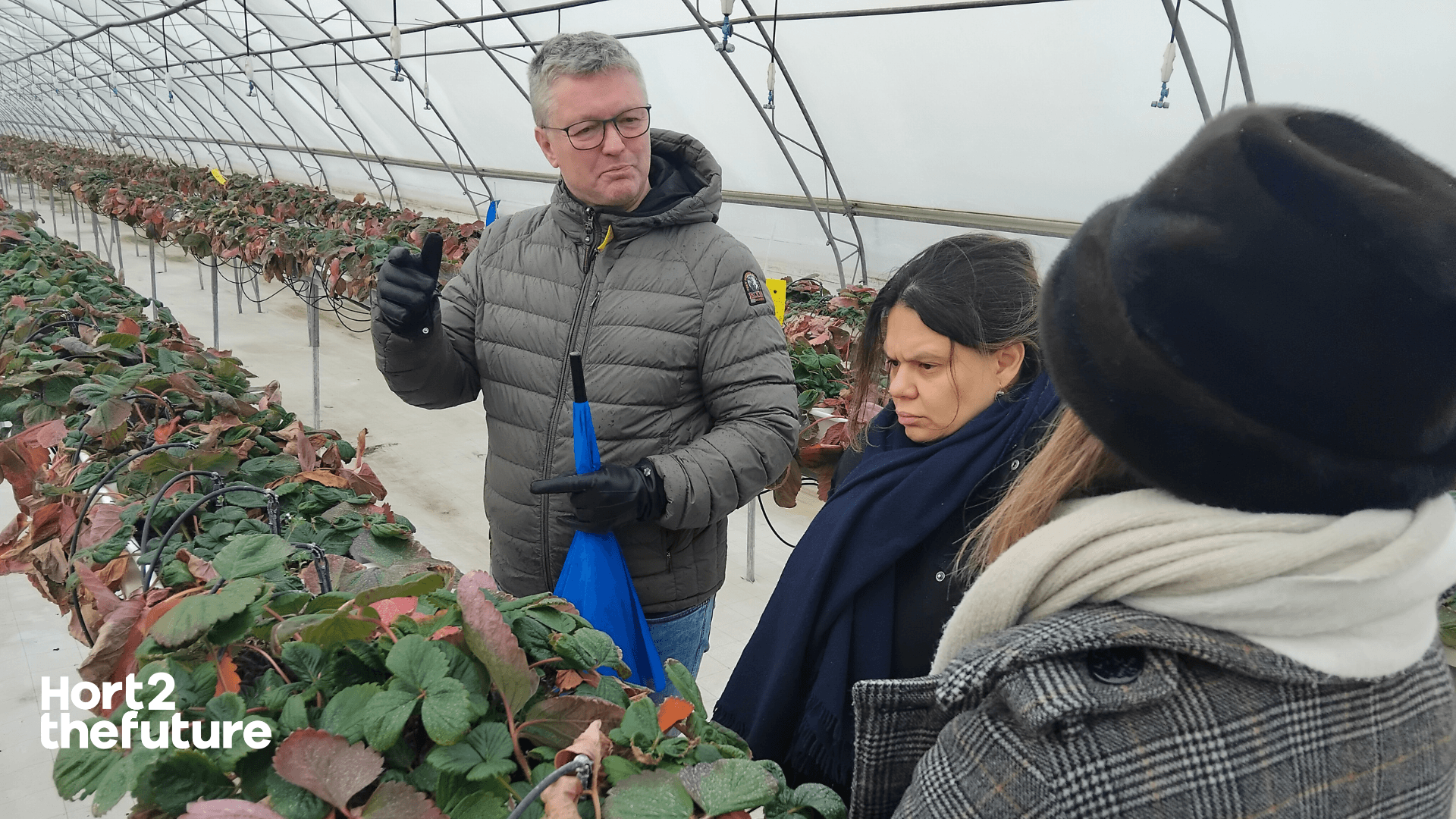
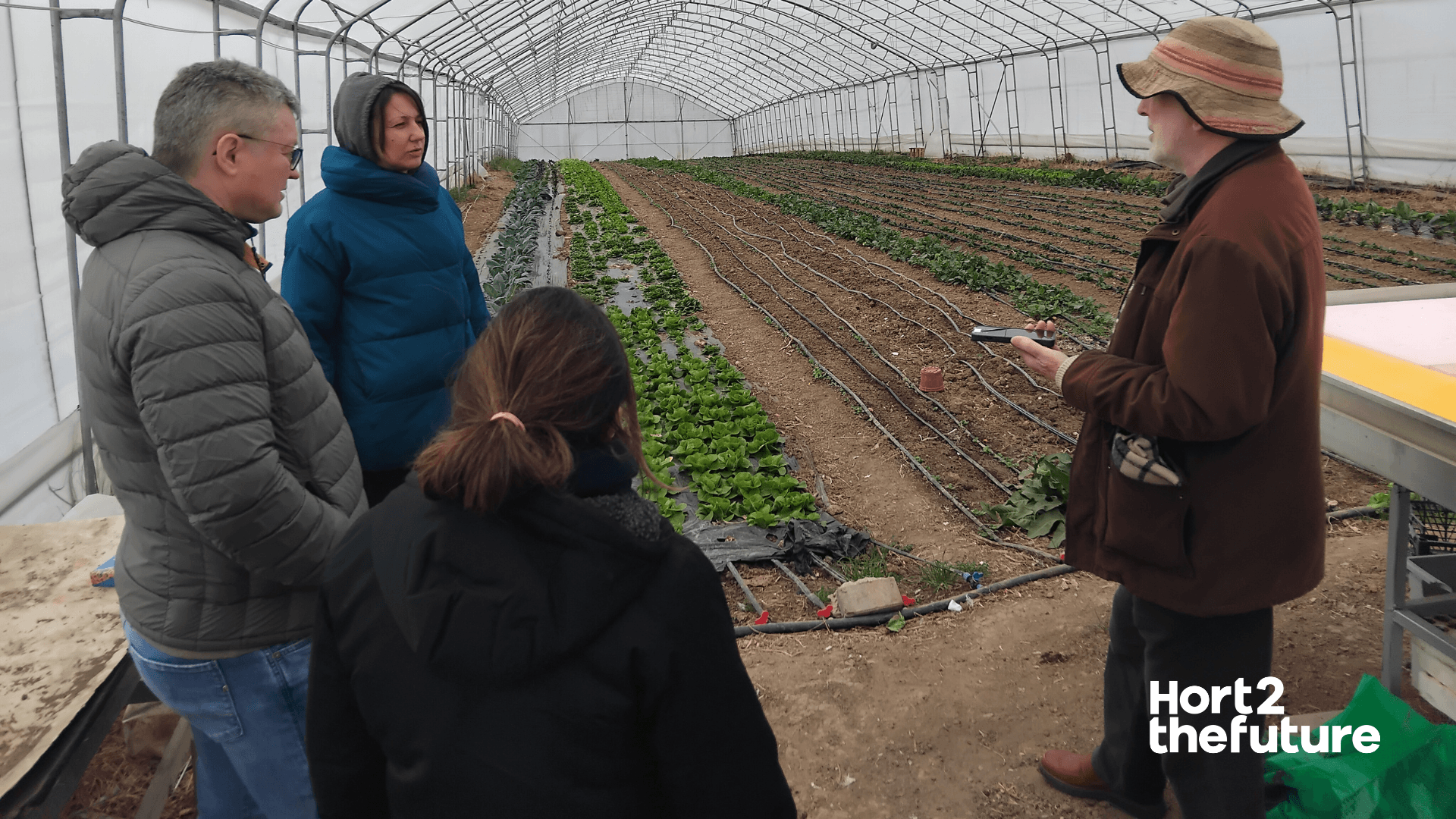
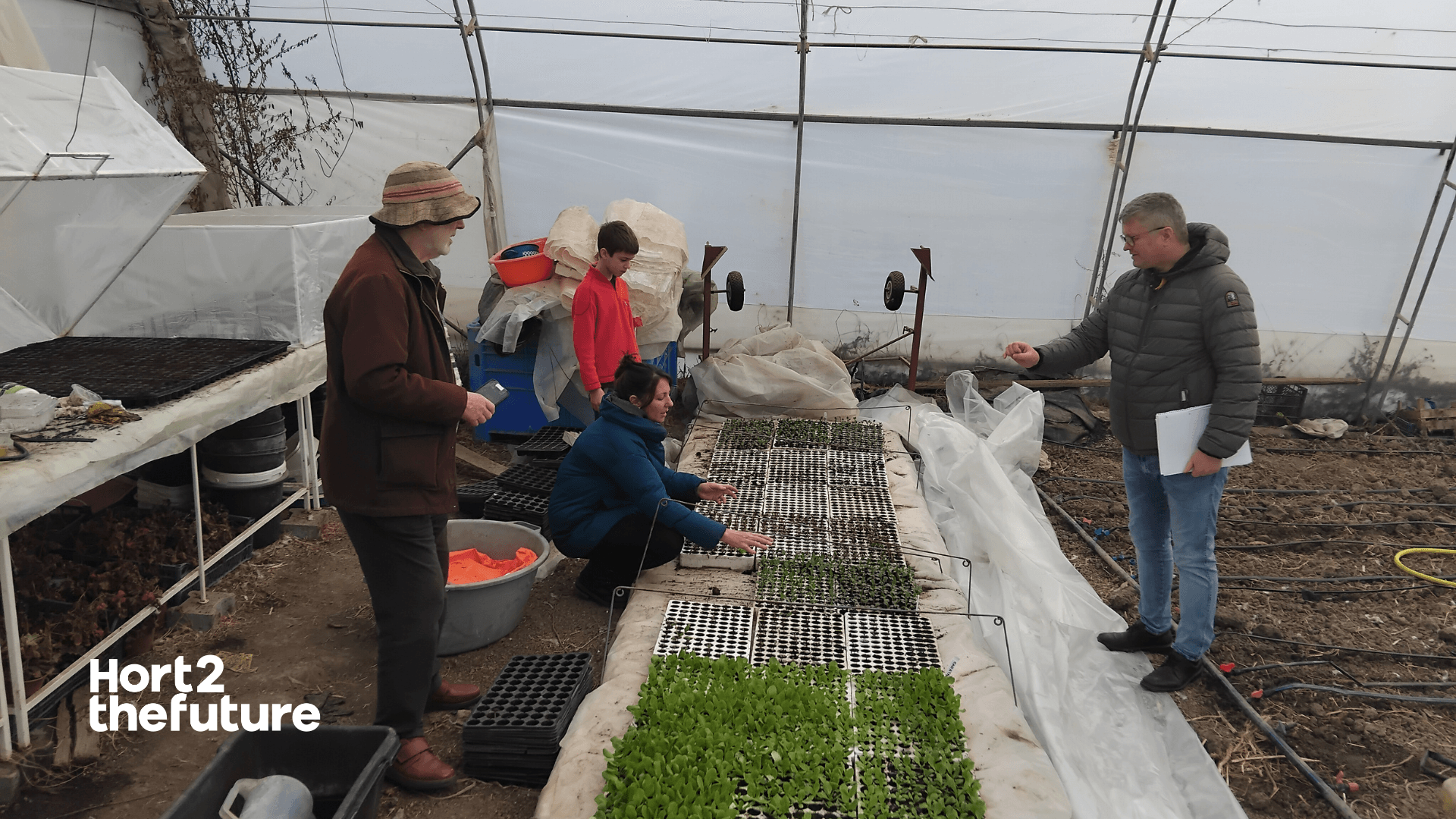
The journey began with a meeting at Zeleni Hit, one of the Hort2thefuture partners, which has been testing three types of new Pindstrup growing media on strawberries. The visit then continued to Sopot, where the team met Ana Čupić, an organic grower producing more than 20 types of vegetables and fruits, mostly under polytunnels. Ana will test two substrates designed for organic production, aiming to achieve more uniform plants, which is a common challenge in organic systems.
The first day concluded in a village near Mionica, where the team visited the Petronijević family. These small commercial growers will sow tomatoes using the new Pindstrup mixes.
The following day, EUTA and Pindstrup teams visited the Agricultural Middle School in Valjevo. The school produces between 10,000 and 15,000 tomato seedlings, 5,000 pepper seedlings, and smaller quantities of cucumber seedlings using conventional peat-based growing media. As part of the Hort2thefuture project, the school will conduct comparative trials using the new media alongside their current substrates. This will also provide students with a practical opportunity to observe differences between growing media types.
Accompanied by a colleague from the Valjevo Extension Service, the team then met farmers in the village of Sovljak, an area known for intensive horticultural production. Both Vlada Živković and Aleksandar Matić use traditional “hotbeds” by placing manure and straw beneath containers to generate heat through decomposition. They will test the new mixes during their May sowings and compare them with their current substrates.
On the final day, the team joined another Hort2thefuture partner, the National Federation of Farmers (NFF), to visit farmers in Palikura and Pepelište in central North Macedonia, a region characterised by rolling hills and vineyards.
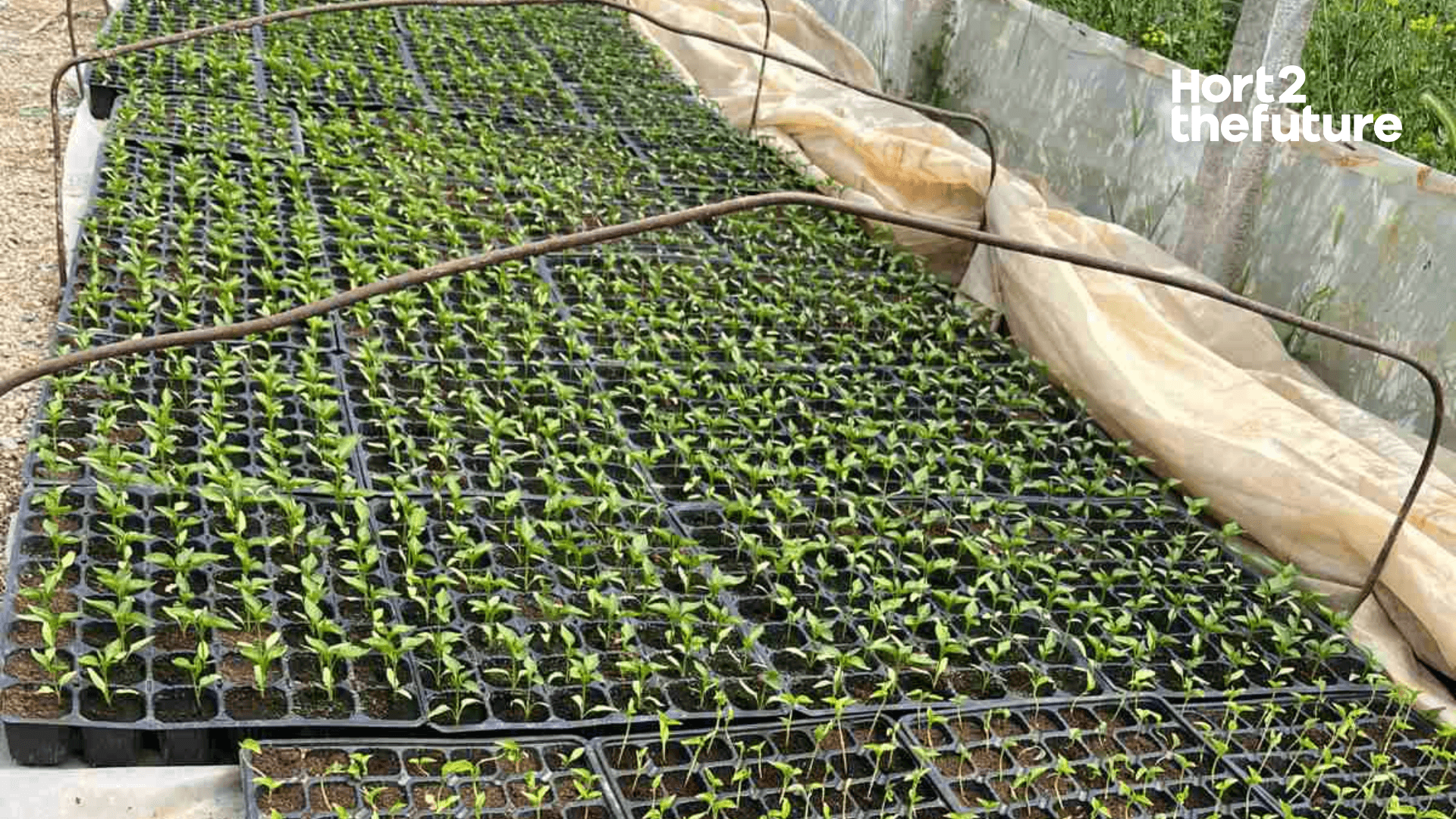
They visited Milena Angelova, whose business focuses on adding value through processing local products such as ajvar, a traditional pepper spread. She produces between 13 and 15 tonnes of peppers annually, resulting in 6,000 to 7,000 jars of ajvar. As part of the project, Milena will test four conventional Pindstrup mixes alongside her current peat-based substrate.
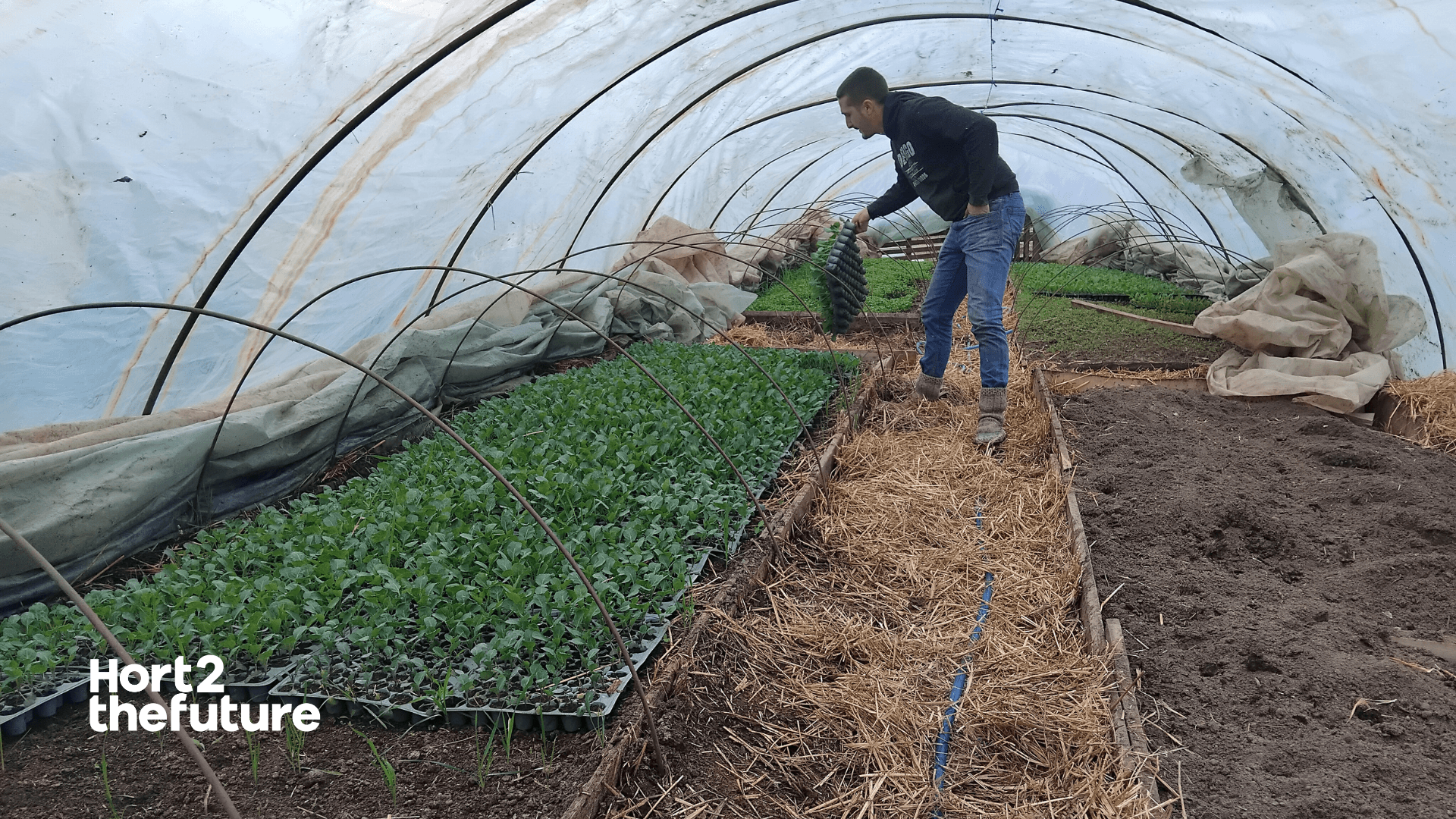
Finally, the team visited Organico, a family-run farm owned by Zlatković in the village of Pepelište. The farm currently produces over 500,000 plants, including watermelons, pumpkins, tomatoes, cabbage, and peppers, with plans to expand to more than one million plants. The farm is transitioning from conventional to organic production. Using heated seedbeds under glass, they produce seedlings each year and currently rely on peat-based substrates. They will begin testing the new Pindstrup mixes, starting with tomato seedlings, to compare performance with their existing supplier.