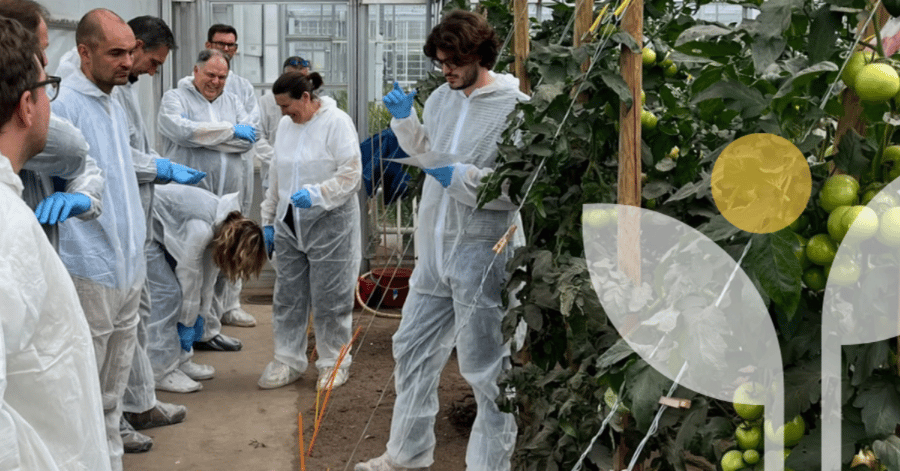
Can organic fertilisers help growers produce healthy crops while reducing their reliance on mineral fertilisers? At Viaverda’s research site in Kruisem, Belgium, researchers from Hort2thefuture are testing innovative fertiliser blends in greenhouse lettuce and tomato production, exploring how locally available materials can support more sustainable horticulture.
Promising results from lettuce and tomato trials
Working together, project partners Vlaco and Viaverda are investigating whether organic fertiliser blends can deliver comparable crop yields and quality to conventional mineral fertilisers, while also improving soil health.
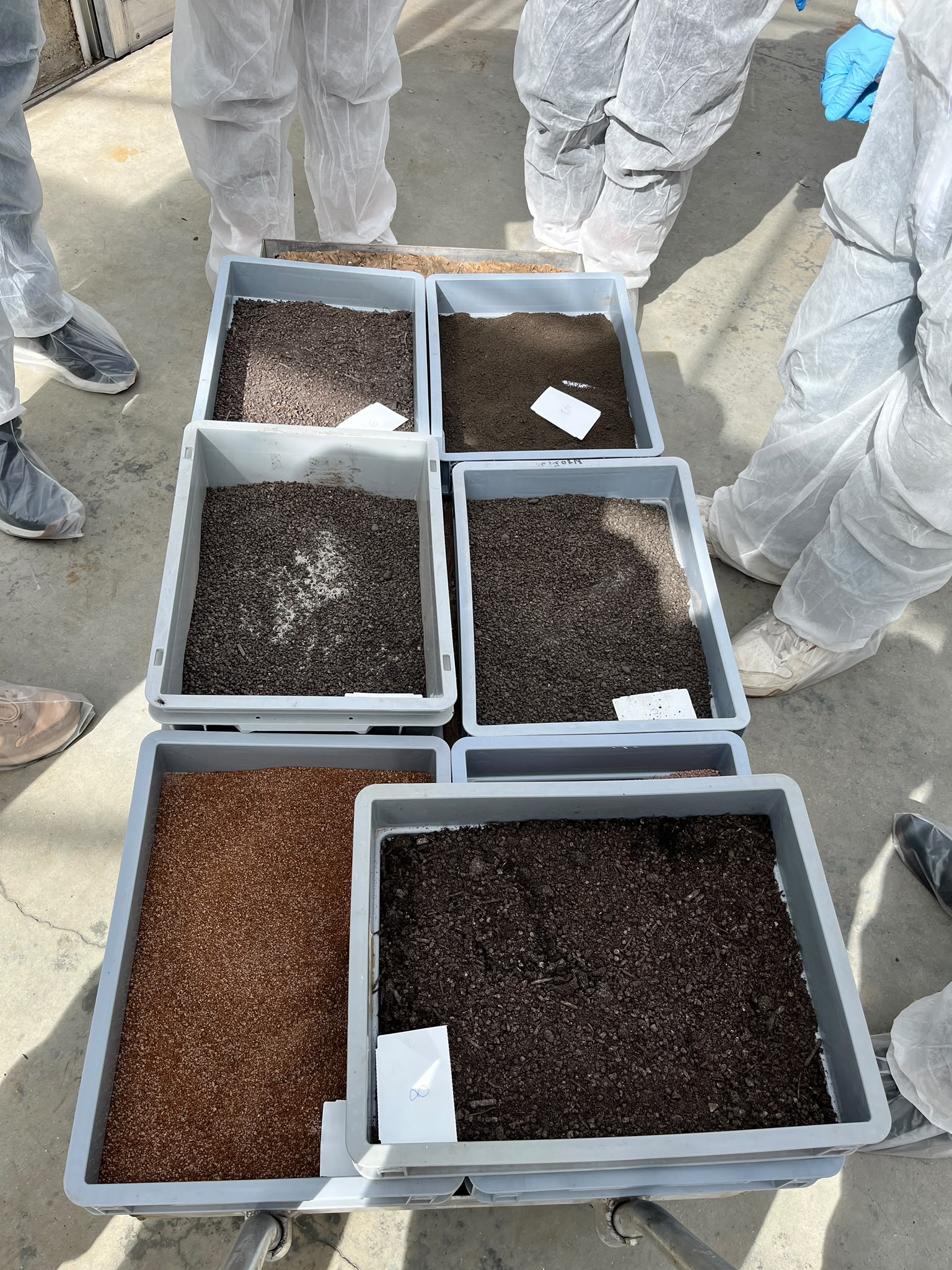
The blends combine materials such as dried digestate (a by-product of biogas production), green compost and fermented plant material known as bokashi. These materials can provide nutrients while adding valuable organic matter to greenhouse soils.
The first lettuce trial, conducted in 2025, produced encouraging results. After seven weeks, most of the five organic blends tested achieved comparable lettuce quality and marketable yields to the conventional fertiliser treatment.
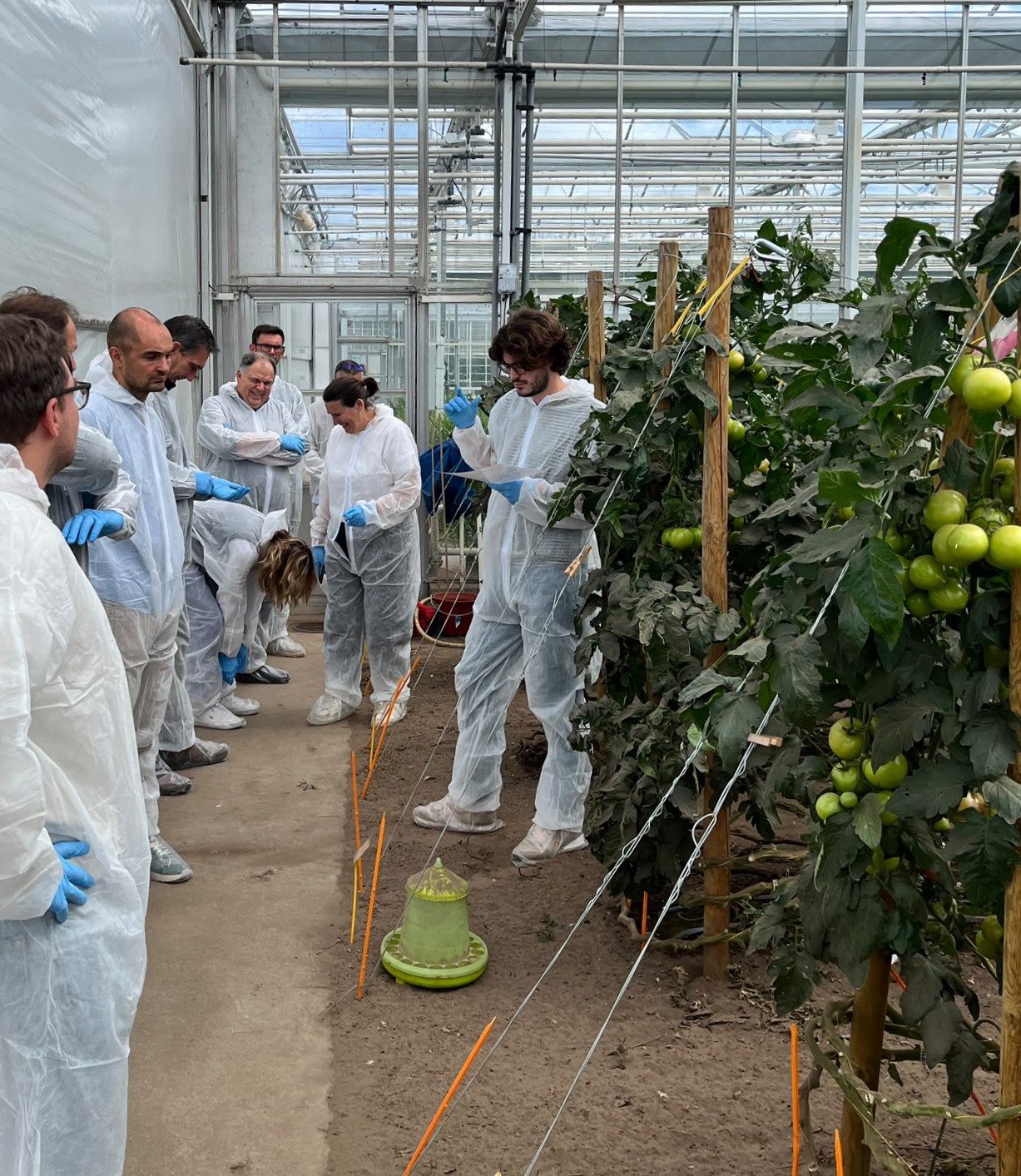
Building on these findings, researchers launched a longer-term tomato trial in 2026, comparing different organic blends with conventional fertilisers. Early observations suggest relatively small differences in plant development, fruit weight and quality. However, final results will only be available once the trial and statistical analysis are complete.
Bringing fertiliser producers together
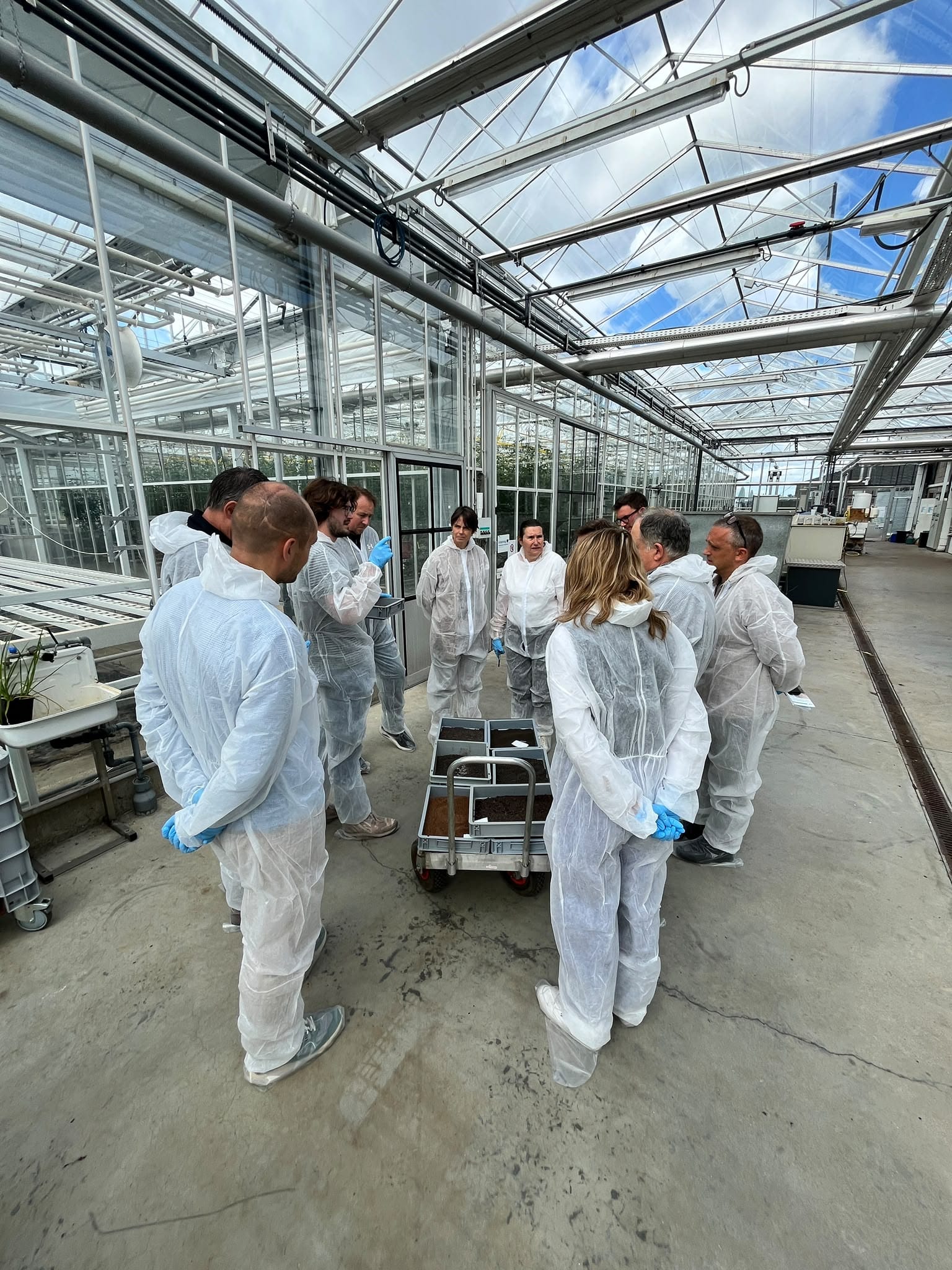
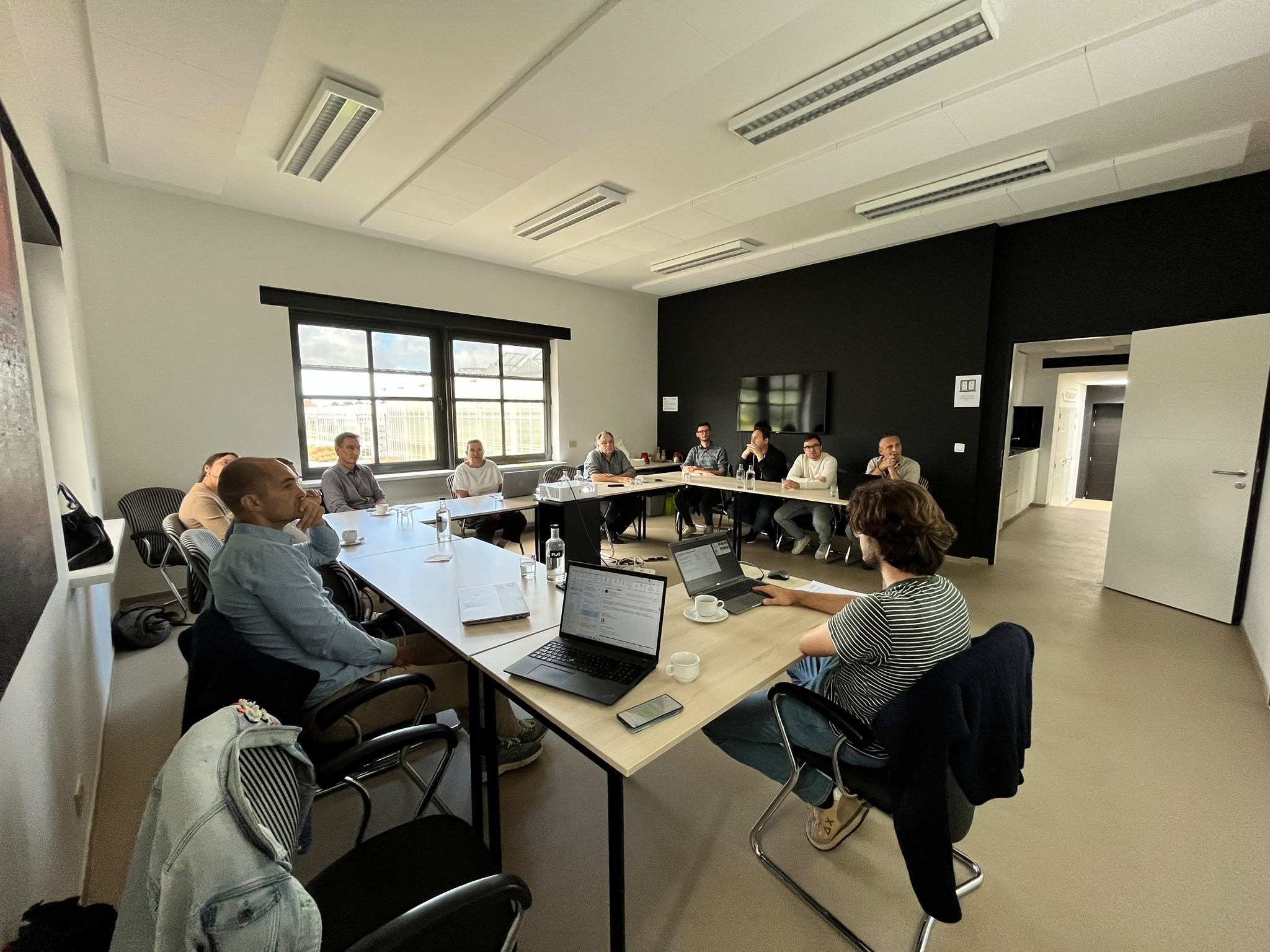
On 9 September 2026, Vlaco and Viaverda welcomed fertiliser producers to the research site to see the trials first-hand and explore opportunities for collaboration.
A key focus was dried digestate, a potentially valuable resource that is not yet widely used in commercial organic fertilisers. By connecting digestate producers with established fertiliser manufacturers, the meeting explored how this material could be developed into practical, high-quality products for growers.
Discussions also highlighted important questions about production costs, nutrient availability and what would encourage growers to adopt organic alternatives.
From research to practical solutions
The next steps include completing the tomato trial, repeating the lettuce trial in autumn 2026, and investigating fertiliser costs and how nutrients become available to crops.
From 2027, the project aims to involve professional growers in further trials, helping to assess whether the most promising blends can be used more widely in commercial horticulture.
By turning locally available materials into valuable fertilisers, Hort2thefuture is exploring practical ways to reduce dependence on mineral fertilisers, support healthier soils and make greenhouse production more sustainable.