A new citizen science initiative involves members of the public taking part in a hands-on experiment to help shape more sustainable food production. The Pak Choi Growing Challenge, led by researchers from Newcastle University, in collaboration with the Enrich the Earth coalition and Garden Organic, as part of the European Union-funded Hort2thefuture project, investigates how different peat-free growing media influence plant growth and development.
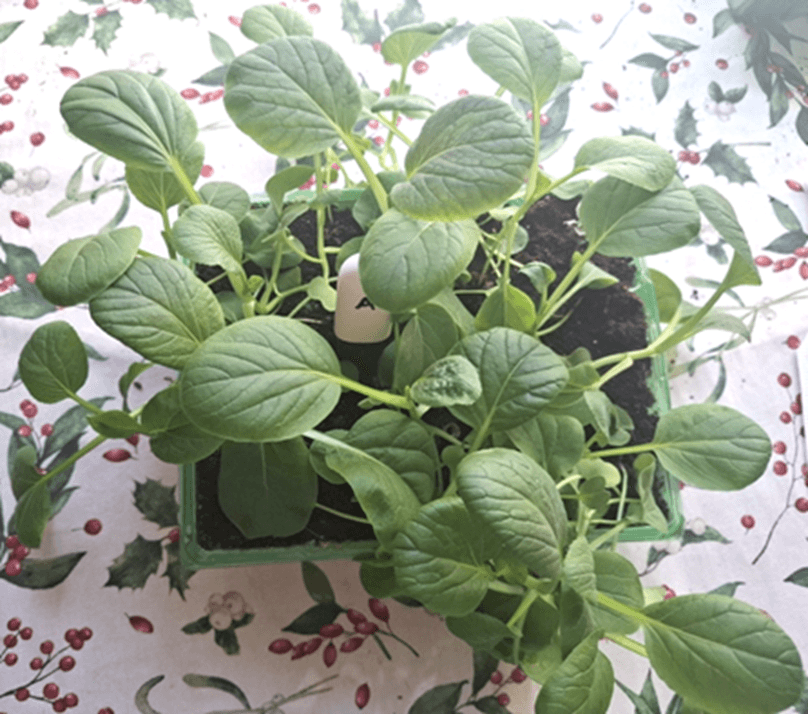
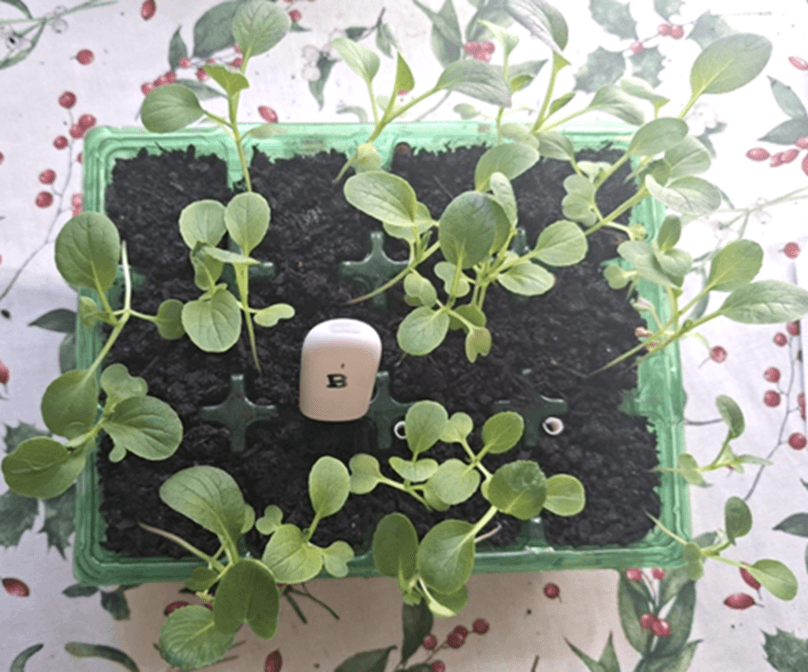
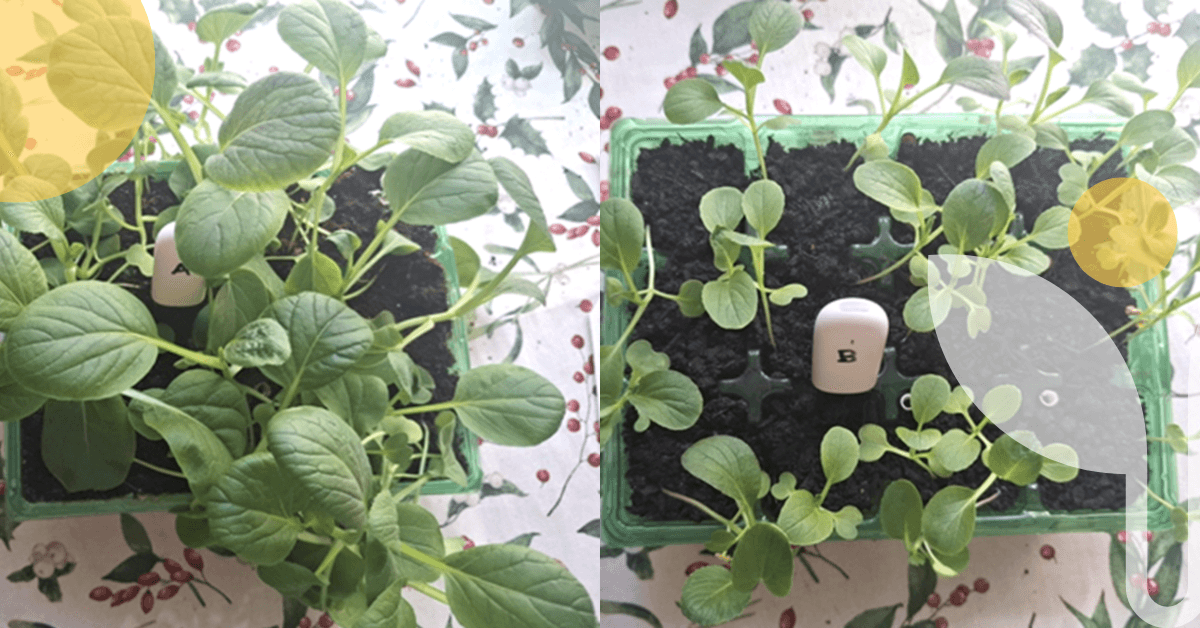
Participants in the month-long challenge receive a kit containing two peat-free composts (labelled A and B), pak choi seeds, and a twin propagator system. They are tasked with growing pak choi plants side-by-side using the two media, carefully following a standardised protocol.
Over the month, participants monitor key indicators of plant performance, including germination rates, seedling height, leaf development, and overall biomass. Photographs are taken at multiple stages (days 7, 14, 21, 28, and 31) to support analysis. This structured approach allows researchers to compare how each growing medium affects germination and seedling growth.
In addition to contributing to scientific knowledge, participants gain practical experience in plant cultivation. The protocol guides them through best practices in watering, lighting, and nutrient management, including the use of fertiliser once seedlings reach key growth stages.
The results of the challenge are directly informing ongoing efforts to support peat-free gardening and demonstrate the effectiveness of peat-free growing media.
“This project demonstrates the power of citizen science,” said Professor Steve Quarrie, who designed the scientific protocol. “By involving people in their own homes, we better understand how people use growing media, their common mistakes, and how to improve instructions and gardening advice. It is remarkable to see the variations in outcomes, given the same kit and instructions, and we would not gain so much understanding from just lab-based experiments.”
Participant feedback is positive:
“Investing time in nature-based projects like this can bring a wide range of benefits, from building confidence and developing practical skills to fostering a sense of achievement and purpose, while benefiting the environment. As noted by some of our participants, such activities can also support mental wellbeing, reduce social isolation, and help people feel more connected to the world around them” said Dr Barbara Tocco, Researcher at NICRE at Newcastle University and Co-Investigator on Hort2theFuture.
The Pak Choi Growing Challenge highlights how simple, accessible experiments can drive meaningful research and improve communications relating to sustainability. By bringing science into homes and encouraging engagement, the project represents an innovative approach to engaging the public with environmental issues.
ENDS